A Toxic Start to 2026: What the ProAV Industry Needs to Address

George E. Kennedy, Jr. • January 15, 2026

Kicking off 2026 with some honest reflection on workplace culture in the ProAV industry

The ProAV and live event industry thrives on collaboration, trust, and shared accountability. When those elements are present, teams perform better and shows run smoother.


Unfortunately, the year began with a reminder that toxicity still exists on some job sites. While pressure and long hours are part of live production, sustained negative behavior is not. Over time, certain patterns consistently undermine teams, including:


  • Demeaning or dismissive communication
  • Talking down to colleagues instead of collaborating
  • Undermining others publicly
  • Creating tension through hostility or intimidation
  • Cursing and derogatory language towards other crew members 
  • Avoiding accountability while placing blame elsewhere


What makes this especially challenging is that, in some cases, clients knowingly continue to hire individuals with a history of this behavior. When conduct is overlooked in favor of technical skill alone, it can unintentionally signal that results matter more than the people delivering them.


So how can the ProAV industry do better?


For companies and clients, it starts with setting clear expectations around professionalism and conduct—valuing emotional intelligence alongside technical expertise and listening when crews raise concerns.


For freelancers, professionalism means collaboration, respect, and clear communication, even under pressure. It also means recognizing when a situation may not be the right professional fit.


On a personal level, I’ve learned that setting boundaries is part of being a professional. Moving forward, I’ll be asking clients in my Washington, DC home base—and beyond—whether a certain person, whose behavior has proven to be overly toxic, will be part of a job. If a situation doesn’t feel like the right professional fit, I’ll respectfully decline to avoid damage to my reputation or the client’s.


This isn’t about blame or conflict. It’s about building healthier teams, better shows, and a stronger industry.


I’m curious to hear how others think we can raise the bar together.

By george July 19, 2023
Introduction: In the world of live events and productions, working with show callers can sometimes be a challenging task for video engineers. Show callers come from diverse backgrounds, such as theater, concerts, or other disciplines, resulting in variations in terminology and approaches. To ensure smooth operations and avoid confusion, it is crucial for video engineers to establish clear communication and understanding with show callers beforehand. This post provides valuable insights and tips for video engineers to enhance collaboration and efficiency when working with show callers. 1. Clear Labeling: To facilitate effective communication, it is essential to label the audio-visual backstage elements comprehensively. Multiview screens, cameras, media servers, and playout systems should be labeled using simple and universally understandable names. For example, labels like GFX 1, GFX 2, PB-A, PB-B, CAM 1, CAM 2, PB-C ( Mitti 1), and PB-D (Mitti 2)can help everyone easily identify and locate the required components. 2. Adapt to Present Language: Different AV systems employ various methods for managing presets, such as Barco E2 uses presets, and Blackmagic Design relies on macros. Show callers often use the term “preset” regardless of the underlying system. If you are working with an ATEM switcher that uses macros, be prepared to make the mental switch and understand that when the show caller asks for “preset 1,” they may be referring to “macro 1.” Familiarize yourself with the terminology preferred by the show caller, inform them ahead of time what system is being used to avoid any confusion or delays during live events. 3. Pre-Show Communication: To ensure a successful production, have detailed discussions and rehearsals with the show caller before the event. This pre-show communication helps align everyone’s expectations, clarify terminologies, and identify specific requirements or preferences. By proactively discussing the show’s flow, cues, and technical aspects, video engineers can anticipate the show caller’s needs and be better prepared to provide a smooth experience. Conclusion: Working with show callers as a video engineers can present unique challenges due to varying backgrounds and terminologies. Video engineers can foster better collaboration and deliver successful productions by establishing clear labeling, understanding the distinction between presets and macros, grasping cue-based workflows, and engaging in effective pre-show communication. Embracing these strategies will lead to smoother operations, enhanced teamwork, and a more enjoyable experience for both the show callers and the entire production team. 
By George E. Kennedy, Jr. January 25, 2020
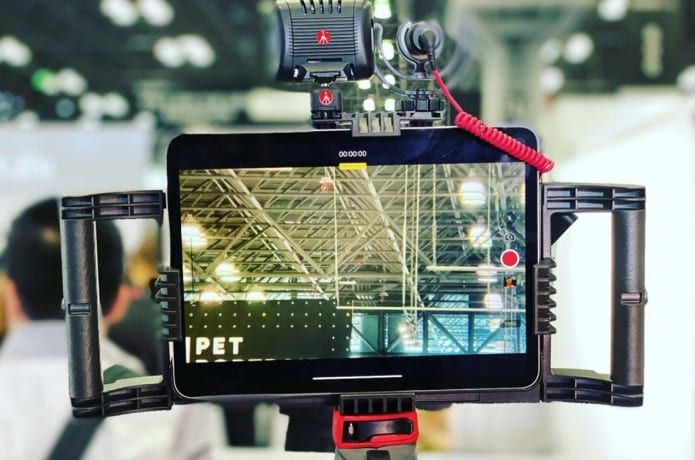
With iPhones and iPads more powerful than ever for mobile filmmaking and live streaming, @iOgrapher maker of cases for mobile devices geared towards content creators has a new astonishing case for the new generation of iPads. You can back it on @Indiegogo.
By Website Editor September 15, 2019
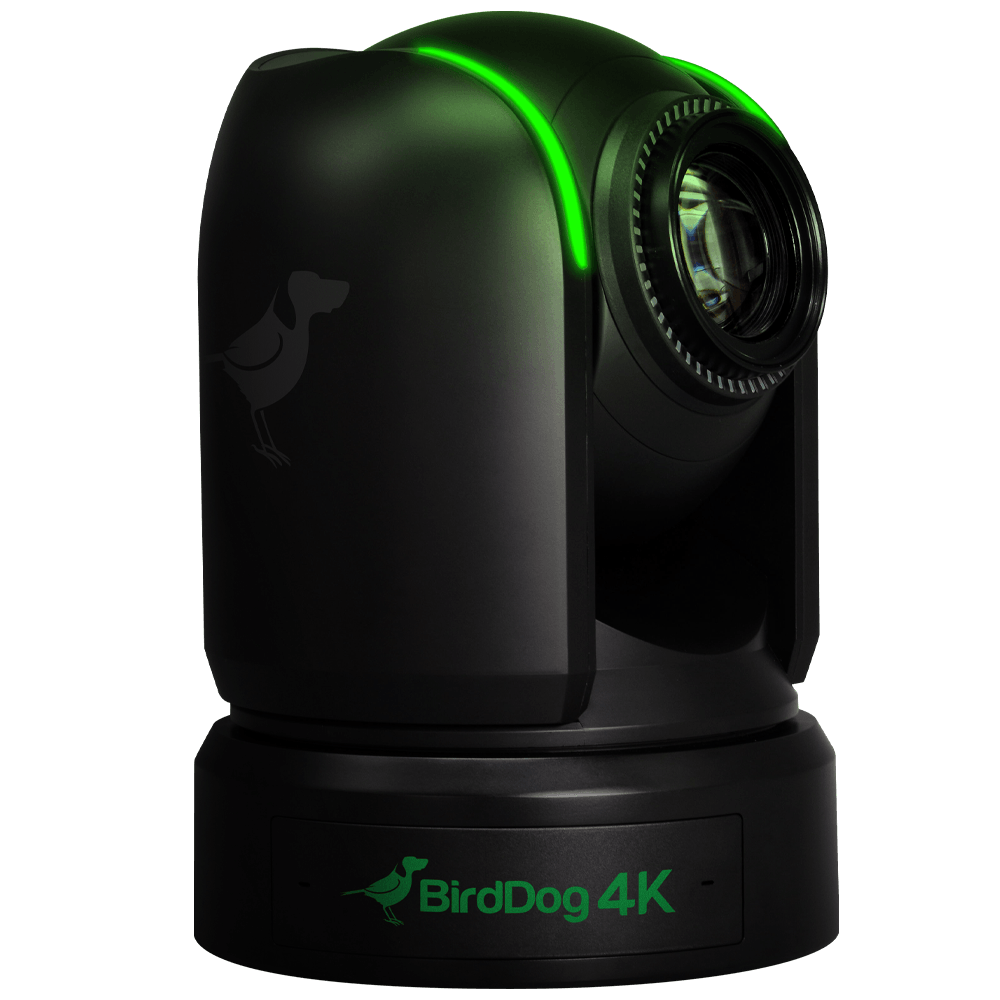
Sony 1” Sensor. Size does matter. The best images come from the best sensors and the P4K is built exclusively around the best sensor in its category. The massive 1” Sony Exmor R CMOS backlit sensor delivers truly stunning pictures in all shoot modes and frame rates whether in HD or 4K. Full NDI. No compromises. In the world of NDI® there are two flavours, NDI® and NDI|HX. NDI® is a variable bit rate, I-Frame codec that is reaches around 140Mbits at 1080p60 and is visually lossless. NDI|HX is a compressed, long-GOP, H.264 variant that reaches around 12Mbits at 1080p60. P4K is a Full NDI® camera.
By George E. Kennedy, Jr. February 1, 2019
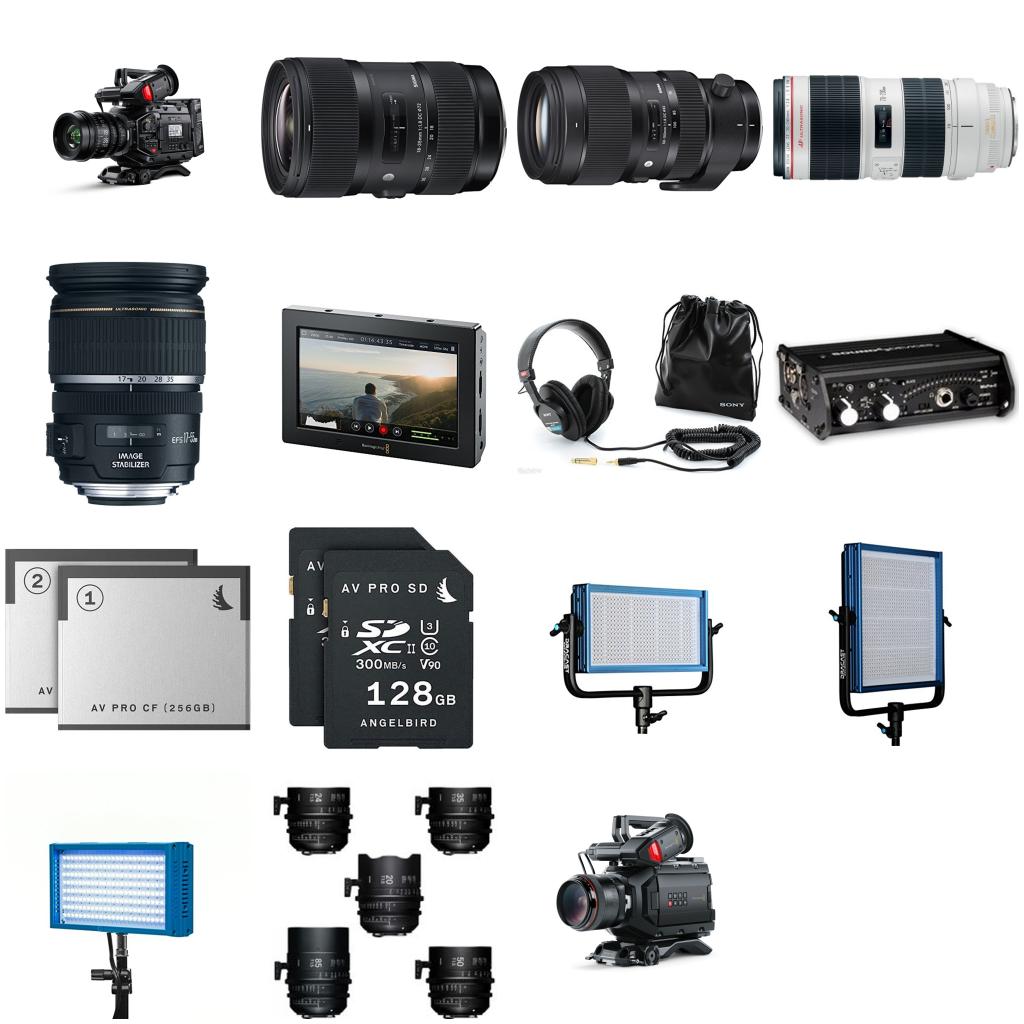
Like many creatives, I'm tasked with a different project every day. And every job requires a different kit. Here's a little break down of the tools I use. Y